Get Dead Tree Removal in Sandy Hook, CT
Dead Tree Removal services for property owners in Sandy Hook, CT, and nearby areas address hazardous or dead trees, storm-damaged branches, and large tree clearings.
Dead tree removal services are often considered by property owners in Sandy Hook, CT to address safety concerns and prevent potential hazards. Overgrown or decaying trees can pose risks of falling limbs or complete collapse, especially during storms or high winds. Removing problematic trees not only reduces the chance of property damage but also minimizes the risk of injury to residents and visitors, creating a safer environment for everyone.
In addition to safety, dead tree removal can enhance the overall appearance and functionality of a property. Clearing away unsightly, decaying trees can improve curb appeal and make outdoor spaces more inviting. It also helps maintain the health of surrounding landscaping by preventing disease spread and reducing ongoing maintenance needs. The result is a more durable, attractive landscape that supports long-term enjoyment and reduces future upkeep efforts.
- Dead tree removal services are needed when trees become hazardous due to disease, damage, or decay.
- Homeowners in areas like Sandy Hook, CT, may require tree removal after storms or severe weather events.
- Property owners looking to clear space for construction or landscaping often seek dead tree removal.
- Dead tree removal can be essential to prevent potential damage to structures or nearby power lines.
- Landlords and property managers may need these services to maintain safety and curb appeal on rental properties.
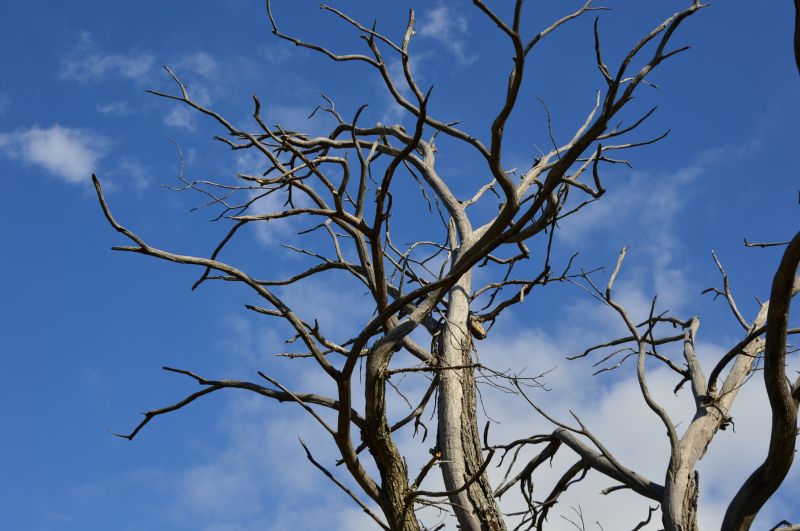
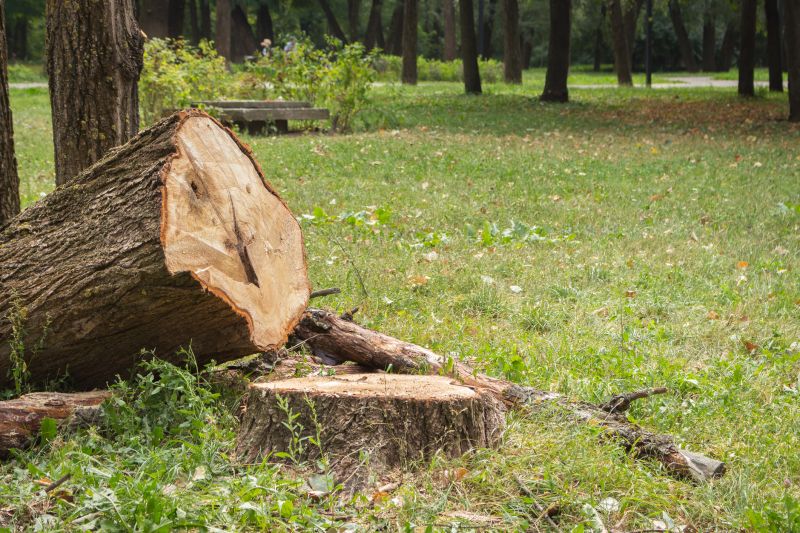
Dead tree removal services involve the careful elimination of trees that are dead, dying, or pose a threat to nearby structures and landscapes. These services typically include assessing the condition of the tree, planning the safest approach for removal, and employing specialized equipment to cut and dismantle the tree efficiently. The process aims to prevent damage caused by falling branches or the tree itself, especially during storms or high wind conditions. Removal professionals ensure that the process minimizes disruption to the surrounding environment and property, often handling the disposal or recycling of the debris afterward.
Removing dead trees addresses several common problems faced by property owners. Dead or decaying trees can become hazardous if they are at risk of falling, potentially causing injury or property damage. They can also attract pests such as insects or fungi, which may spread to healthy trees or structures. Additionally, dead trees can obstruct views, block sunlight, or interfere with landscaping plans. By removing these trees, property owners can reduce safety risks, improve the aesthetic appeal of the landscape, and prevent potential damage or pest infestations.
The types of properties that typically utilize dead tree removal services vary widely. Residential properties with mature trees often require removal of dead or hazardous trees to maintain safety and curb appeal. Commercial properties, including shopping centers and office complexes, may also need regular tree assessments and removals to ensure the safety of employees and visitors. Public parks, schools, and municipal spaces frequently rely on these services to manage their landscape health and safety. Regardless of property type, the goal is to maintain a safe, attractive environment by addressing problematic trees promptly.
Professional dead tree removal services are available for a range of property sizes and types. Larger estates with extensive landscaping, urban developments, and community spaces often require more comprehensive removal plans. Smaller residential lots may need targeted removal of specific trees that threaten structures or power lines. In all cases, local service providers can evaluate the condition of trees and recommend appropriate removal strategies. Contacting experienced professionals ensures that the removal process adheres to safety standards and effectively addresses the specific needs of each property.
The overview below groups typical Dead Tree Removal projects into broad ranges so you can see how smaller, mid-sized, and larger jobs often compare in Sandy Hook, CT.
In many markets, a large share of routine jobs stays in the lower and middle ranges, while only a smaller percentage of projects moves into the highest bands when the work is more complex or site conditions are harder than average.
Tree Removal Costs - The cost for removing a dead tree typically ranges from $200 to $1,000, depending on size and location. Smaller trees may be on the lower end, while larger, more complex removals tend to be higher. Local pros can provide estimates based on specific tree conditions.
Stump Grinding Expenses - Stump grinding services usually cost between $75 and $300 per stump, with prices influenced by stump size and accessibility. Larger stumps or those in hard-to-reach areas may incur additional charges. Contact local providers for detailed quotes.
Labor and Equipment Fees - Labor costs for dead tree removal can vary from $50 to $150 per hour, depending on the complexity of the job. Equipment fees might be included or charged separately, especially for large or difficult-to-access trees. Local service providers can clarify pricing structures.
Additional Service Charges - Extra services such as hauling away debris or pruning branches can add $50 to $200 to the overall cost. These charges depend on the scope of work and debris volume. Local pros can assess needs and provide comprehensive estimates.
Actual totals will depend on details like access to the work area, the scope of the project, and the materials selected, so use these as general starting points rather than exact figures.
Dead Tree Removal services involve safely removing trees that are dead, decaying, or pose a risk to property and safety. Local professionals can assess the condition of a tree and perform removal to prevent potential hazards.
Hazard Tree Removal focuses on identifying and removing trees that threaten structures, power lines, or public safety due to disease or instability. Skilled contractors offer targeted removal to mitigate these risks.
Storm-Damaged Tree Removal services are essential after severe weather events, helping to clear fallen or compromised trees that may obstruct roads or damage property. Local pros provide prompt assistance for such situations.
Emergency Tree Removal involves quick response to urgent tree hazards, such as leaning or fallen trees after storms or accidents. Service providers can address immediate safety concerns efficiently.
Stump Removal and Grinding services often accompany dead tree removal, helping to clear the site and prepare for landscaping or new planting. Local providers offer stump grinding to complete the removal process.
Tree Preservation and Removal Planning services include assessing trees for health and safety, and planning removal strategies that minimize impact on the surrounding landscape. Professionals assist in making informed decisions about dead or dying trees.
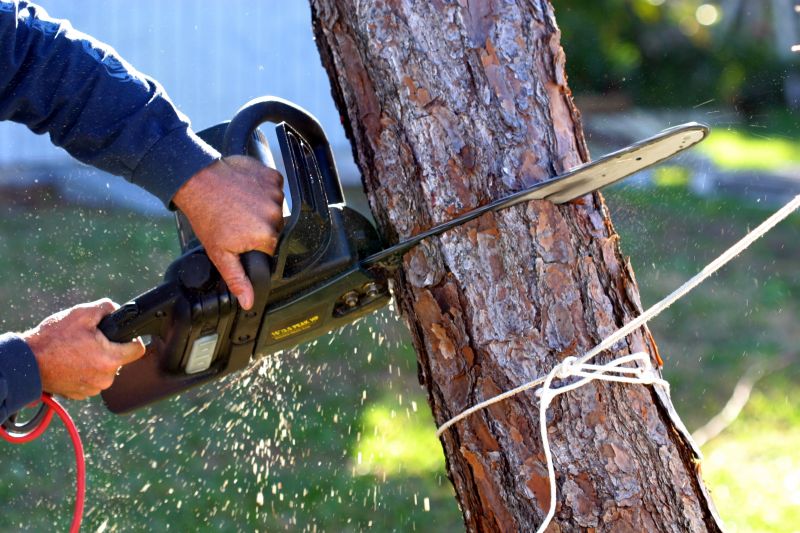
When selecting a professional for dead tree removal, it is important to consider their experience and reputation within the community. Homeowners should seek out local providers who have a proven track record of safely and efficiently handling similar projects. Reputable references or reviews from previous clients can offer valuable insight into the quality of work and reliability of the service provider. Ensuring that the contractor clearly communicates their process, scope of work, and expectations can help prevent misunderstandings and ensure the project proceeds smoothly.
Clear written expectations are essential when working with a dead tree removal service. Homeowners should request detailed descriptions of the services offered, including the methods used and any preparations needed on their part. A professional that provides thorough, written estimates and scope of work demonstrates transparency and professionalism. This documentation helps establish a mutual understanding of the project and serves as a reference throughout the process, reducing the likelihood of surprises or disputes.
Effective communication is a key factor when evaluating local tree removal providers. Homeowners should prioritize contractors who are responsive, approachable, and willing to address questions or concerns promptly. Open lines of communication facilitate a smoother experience, ensuring that any changes or issues are addressed early. Since the information below connects users with local professionals rather than performing the work directly, it is recommended to contact multiple providers to assess their communication style and determine which one best aligns with the homeowner’s expectations.
Property owners in Sandy Hook, CT use Dead Tree Removal services for practical projects around their homes and businesses. The sections below highlight everyday jobs and straightforward project options.
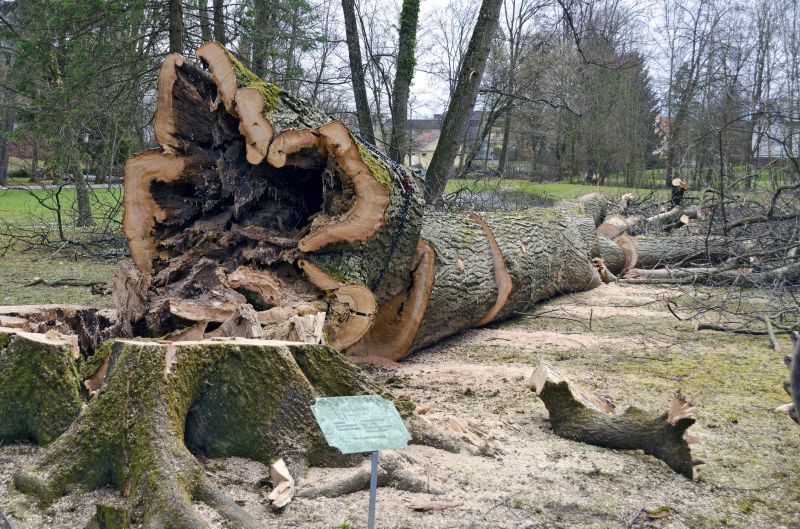
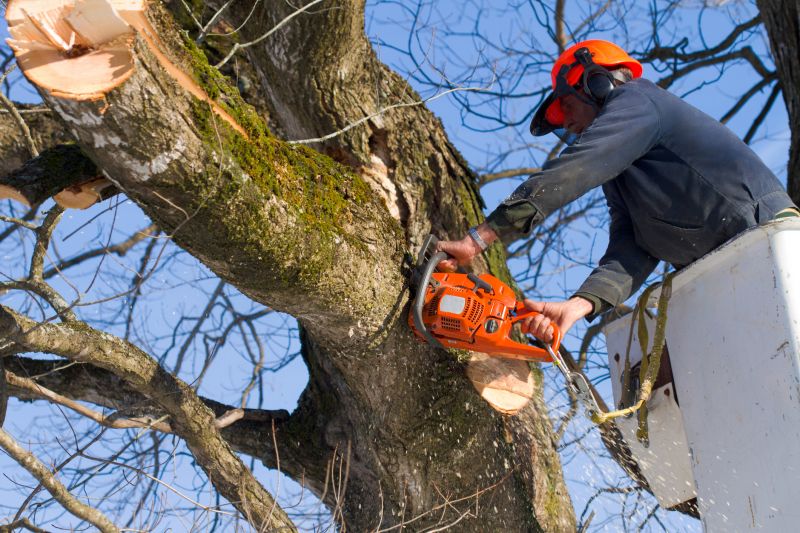
Dead tree removal services are often sought by property owners in Sandy Hook, CT when trees become hazardous due to disease, decay, or storm damage. Overgrown or dead trees can pose safety risks to people and nearby structures, prompting residents to look for professional assistance to safely eliminate these hazards. Additionally, some property owners may want to clear space for new landscaping or construction projects, making tree removal a necessary step to prepare their land.
In other situations, property owners might need dead tree removal to improve the overall appearance of their yard or to prevent potential damage to healthy trees and surrounding property. Fallen or dying trees can also obstruct views or access pathways, leading homeowners to seek local contractors who specialize in efficient and careful removal. These services help maintain a safe, attractive outdoor environment in Sandy Hook and surrounding areas.
Why should I consider dead tree removal? Removing dead trees can help prevent potential hazards such as falling branches or the tree toppling, which could cause damage or injury.
How do professionals typically remove dead trees? Local tree removal service providers use specialized equipment and techniques to safely cut down and remove dead trees from properties.
Are there any permits required for dead tree removal? Permit requirements vary by location; contacting local service providers can help determine if any permits are necessary in Sandy Hook, CT, or nearby areas.
What factors influence the cost of dead tree removal? The size, location, and accessibility of the tree are common factors that can affect the overall cost of removal services.
How can I find qualified dead tree removal professionals? Connecting with local tree removal service providers through trusted lead-generation services can help find experienced professionals in your area.
Dead Tree Removal Services - Local service providers can safely remove dead or decaying trees to prevent potential hazards on your property.
Hazard Tree Assessment - Pros can evaluate the stability of dead trees and recommend appropriate removal or mitigation strategies.
Emergency Dead Tree Removal - Immediate assistance is available for fallen or dangerously unstable trees that pose safety risks.
Stump Grinding and Disposal - After removal, experts can grind down stumps and clear debris to restore your landscape.
Considering Dead Tree Removal for a property in Sandy Hook, CT? The sections above highlight common project types, practical options, and details that often shape the scope of work.
When you are ready, use the quote form to share a few details about your project. Local pros can review the basics and respond with options that match what you have in mind.